
After a professional clean, many patients ask when can you smoke after dental cleaning, especially if they feel their teeth are smoother and their gums less irritated. At Horley & Gatwick Dental Centre in Horley, oral hygiene appointments are planned to improve gum health, reduce plaque and calculus, and support long-term prevention. The hours and days after a cleaning matter because the mouth is often more sensitive than it feels, and smoking can interfere with healing, comfort and the results of the appointment.
Dental cleaning is not only about “polishing”. It typically includes plaque removal, calculus (tartar) management and gumline care. Even when a cleaning is gentle, the tissues around the teeth may be slightly inflamed beforehand and more reactive afterwards. For this reason, the safest approach is to treat the post-cleaning period as a time to protect the gums and allow them to settle.
What happens to your teeth and gums during a dental cleaning
A professional dental cleaning removes the soft biofilm (plaque) and hardened deposits (calculus) that cannot be fully eliminated with home brushing alone. During the appointment, the hygienist works around the gumline and between teeth—areas where plaque tends to mature, harden and trigger inflammation. Many patients do not realise how much the gums can be affected by daily plaque accumulation until it is professionally removed.
When plaque and calculus are cleaned away, the gum tissues can respond in two ways. In the short term, they may feel more sensitive because the surface is cleaner and the tissues are exposed to normal stimulation again. In the medium term, they often feel better because inflammation begins to reduce. If gums have been inflamed for a while, a little bleeding during cleaning is not unusual and does not automatically mean something went wrong; it often reflects existing gum irritation.
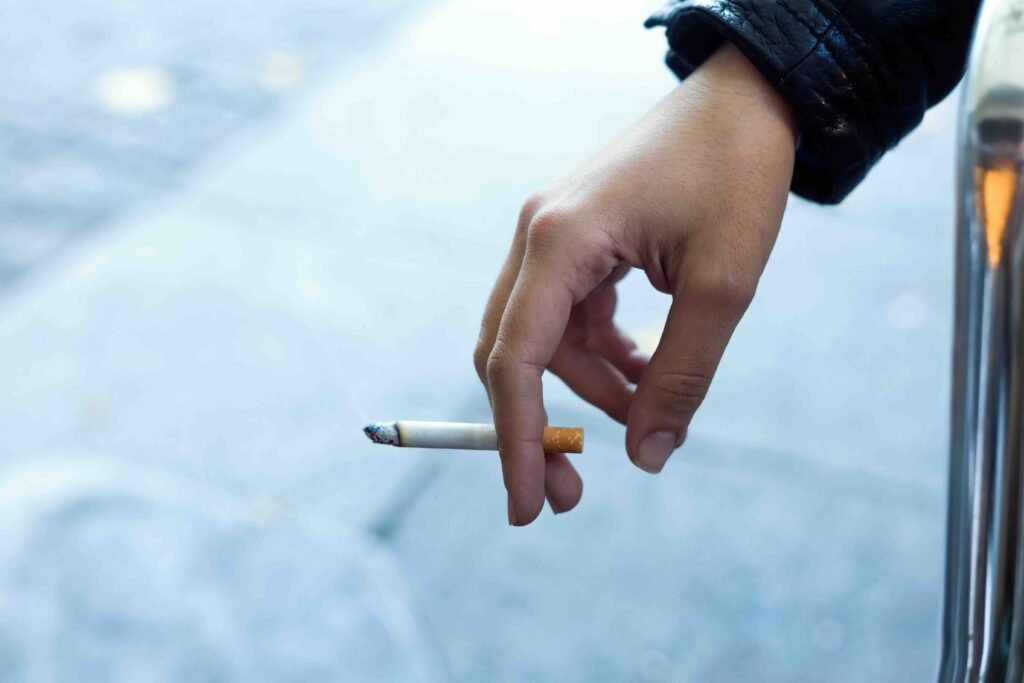
This is where the question when can you smoke after dental cleaning becomes important. Smoking introduces heat, chemicals and reduced blood flow to gum tissues that may already be reactive. Even if you feel “fine” immediately after the appointment, the biological recovery still continues.
When can you smoke after dental cleaning: general guidance and why timing matters
For most patients, the safest general guidance is to avoid smoking for at least 24 hours after a professional dental cleaning. If there was significant gum inflammation, deeper cleaning around the gumline, or noticeable bleeding, a longer pause 48 to 72 hours is often a more protective choice. This time window allows the gums to calm down, reduces irritation and supports healthy tissue response.
Why does timing matter? Smoking can:
- Increase irritation of the gumline due to heat and chemical exposure
- Reduce oxygenation and blood flow in gum tissues
- Dry the mouth, lowering saliva’s protective action
- Encourage stain re-accumulation on freshly cleaned surfaces
Even a single cigarette soon after cleaning may make the gums sting, feel “raw,” or start bleeding again in some patients. The cleaner the surface, the more immediate the contact between smoke and tissues can feel. If you are asking when can you smoke after dental cleaning, it is often because you want a practical, safe interval. A short pause can make the appointment more worthwhile and more comfortable.
Can smoking affect the results of a cleaning and gum health over time
A dental cleaning can improve gum health, but it cannot “outwork” habits that continuously irritate the tissues. Smoking is strongly associated with plaque changes, calculus build-up and gum disease progression. One important detail is that smokers may bleed less even when gum disease is present, because smoking can reduce visible inflammation signs. That can give a false sense of reassurance and delay early intervention.
After a cleaning, the mouth is in a better position to heal: bacterial load is reduced, gum tissues have less irritation, and home care becomes more effective. Smoking can undermine that by promoting dryness and encouraging the return of staining. If you notice that stains reappear quickly after a professional clean, smoking is often a major contributor.
If the question when can you smoke after dental cleaning comes up every time you attend hygiene appointments, it may help to view the post-cleaning window as an opportunity. Even a short break can reduce irritation, and longer breaks can support gum stability and fresher breath.
What to do instead during the first 24 hours after a cleaning
The first day after a cleaning is about supporting comfort and protecting the gumline. The most helpful steps are simple and clinically sound. Focus on hydration, gentle oral hygiene, and avoiding irritants.
Practical measures that help:
- Drink water regularly to support saliva and reduce dryness
- Avoid very hot drinks if your gums feel sensitive
- Keep brushing twice daily, using gentle technique along the gumline
- Clean between teeth carefully, without forcing floss into sore gums
- Choose softer foods if the gumline feels tender
It is also wise to avoid home “hacks” such as baking soda scrubs, abrasive powders or aggressive rinses. These can irritate enamel and gums, especially right after cleaning. If you are asking when you can smoke after dental cleaning, consider that the same logic applies to anything that irritates tissues: the mouth benefits from calm, consistent care immediately after a hygiene session.
Mouthwash after cleaning: helpful or harmful, and how to use it properly
Many patients wonder if mouthwash is necessary after a cleaning. The answer depends on your gum condition and your dentist’s recommendations. Some patients benefit from a targeted mouth rinse for a limited period, especially if there is gum inflammation. However, mouthwash is not a substitute for brushing and interdental cleaning, and it is not always required.
General principles:
- If a mouthwash is recommended, use it exactly as advised
- Avoid overusing strong rinses without professional guidance
- Do not rely on mouthwash to compensate for missed brushing or flossing
- If you experience stinging or dryness, mention it at your next appointment
After a cleaning, gums can be more sensitive, so the choice of rinse and timing matters. If you are a smoker, dryness may already be an issue, and some rinses can make that worse. This is another reason patients ask when can you smoke after dental cleaning—it often comes alongside concerns about sensitivity, taste and irritation. A tailored approach is best.
How often should you have professional hygiene and why prevention matters
A clean at home is essential, but professional hygiene plays a different role: it removes deposits you cannot reliably manage yourself and allows early detection of gum changes. The right interval varies between individuals because plaque accumulation, gum response, orthodontic appliances, restorations and lifestyle habits are different for every patient.
If you are prone to gum inflammation or heavy calculus build-up, more frequent professional hygiene may be recommended. If your gums are stable and your home routine is effective, the interval may be longer. The key point is that prevention is not only about “clean teeth”; it is about maintaining healthy gums, preventing bad breath related to plaque accumulation and supporting long-term tooth stability.
Smoking increases the need for careful prevention because it can mask early gum symptoms and increase staining. If you regularly ask when you can smoke after dental cleaning, it may be worth discussing a personalized prevention plan at your next appointment, one that focuses on realistic steps that fit your daily routine.
When to contact the dental practice after a cleaning
Most people feel normal after a dental cleaning, with only mild and temporary sensitivity. However, it is important to know what is not typical. You should contact the practice if you experience:
- Persistent bleeding that does not settle
- Significant pain that does not improve
- Swelling of the gums
- A feeling that something is “stuck” or sharp between teeth
- Worsening sensitivity that interferes with eating or brushing
Also, if you smoked soon after your appointment and your gums became painful or started bleeding again, it is helpful to mention it. This is not about judgement; it is about understanding tissue response and giving you the best advice. The question when can you smoke after dental cleaning is often asked because patients want to avoid complications and keep results stable.
When can you smoke after dental cleaning: a practical conclusion
When you can smoke after dental cleaning depends on how your gums responded during the appointment and whether your cleaning involved more intensive gumline care. As a safe general rule, avoiding smoking for at least 24 hours is recommended, and 48–72 hours is often a better choice when gums are inflamed, sensitive or prone to bleeding. This short pause protects the gumline, supports comfort and helps you preserve the benefits of the cleaning. At Horley & Gatwick Dental Centre, patients in Horley are guided through preventive care with a professional, calm and patient-focused approach.
📞 +44 1293781200
💬 +44 7934895665
✉️ reception@horleyandgatwickdental.com
📍 33 Massetts Road, Horley RH6 7DQ, UK